In today’s competitive online marketplace, having a website is not enough to attract customers and grow your business. Companies need a strong digital presence, meaningful customer engagement, and effective strategies to reach their target audience. This is where digital marketing services can make a difference.
From search engine optimization and social media marketing to paid advertising and content creation, digital marketing helps businesses connect with potential customers through online channels. Whether you run a small business, manage an e-commerce store, or operate an established company, the right marketing strategy can help you improve brand visibility and generate valuable business opportunities.
But what exactly do digital marketing services include, and how can they support your business goals?
Let’s explore the key aspects of digital marketing and how businesses can use these strategies to build a stronger online presence.
What Are Digital Marketing Services?
Digital marketing services are professional solutions that help businesses promote their products, services, or brands through digital channels.
These services use platforms such as search engines, social media networks, websites, email, and online advertising platforms to reach potential customers.
Unlike traditional marketing, digital marketing allows businesses to measure several aspects of their campaigns, including website visits, engagement, leads, and conversions.
Common digital marketing services include:
- Search engine optimization (SEO)
- Social media marketing
- Pay-per-click advertising
- Content marketing
- Website development
- Email marketing
- Online reputation management
- Conversion rate optimization
Businesses can use individual services or combine multiple strategies to create a more comprehensive marketing plan.
In simple terms, digital marketing services help businesses reach the right audience online and encourage potential customers to take meaningful actions.
Why Are Digital Marketing Services Important for Business Growth?
Many customers use search engines and social media to research businesses before making purchasing decisions. Without a strong online presence, a business may miss valuable opportunities to connect with its target audience.
But how can digital marketing support long-term growth?
1. How Can Digital Marketing Improve Brand Visibility?
Digital marketing helps businesses increase their visibility across online platforms.
For example, SEO can help a website appear in relevant search results, while social media marketing can introduce a brand to new audiences.
Publishing useful content, optimizing website pages, and maintaining an active social media presence can help businesses communicate their value to potential customers.
Improved visibility can make it easier for interested users to find and learn about your business.
2. Can Digital Marketing Help Generate Qualified Leads?
Yes. Digital marketing can support lead generation by targeting people who are actively searching for specific products or services.
For example, a company offering web development services can create content around keywords such as “website development services for small businesses.”
Similarly, businesses can use Google Ads to reach users searching for relevant commercial terms.
Lead generation strategies may include:
- SEO-focused landing pages
- Search advertising campaigns
- Social media lead campaigns
- Downloadable resources
- Contact forms
- Conversion-focused website design
The quality of leads depends on factors such as audience targeting, market demand, messaging, and the effectiveness of the conversion process.
3. How Does Digital Marketing Help Businesses Compete Online?
Digital marketing gives businesses opportunities to communicate their unique value and reach specific customer groups.
A smaller business can create targeted content, optimize its website, and use relevant advertising campaigns to compete for attention in its market.
Success depends on factors such as competition, budget, customer demand, and the quality of the overall strategy.
A well-planned approach allows businesses to focus their resources on channels that align with their goals.
What Types of Digital Marketing Services Does a Business Need?
Different businesses have different marketing requirements. Some need better search visibility, while others want to generate leads through paid advertising or build stronger customer relationships.
Here are some of the most widely used digital marketing services.
1. Search Engine Optimization (SEO)
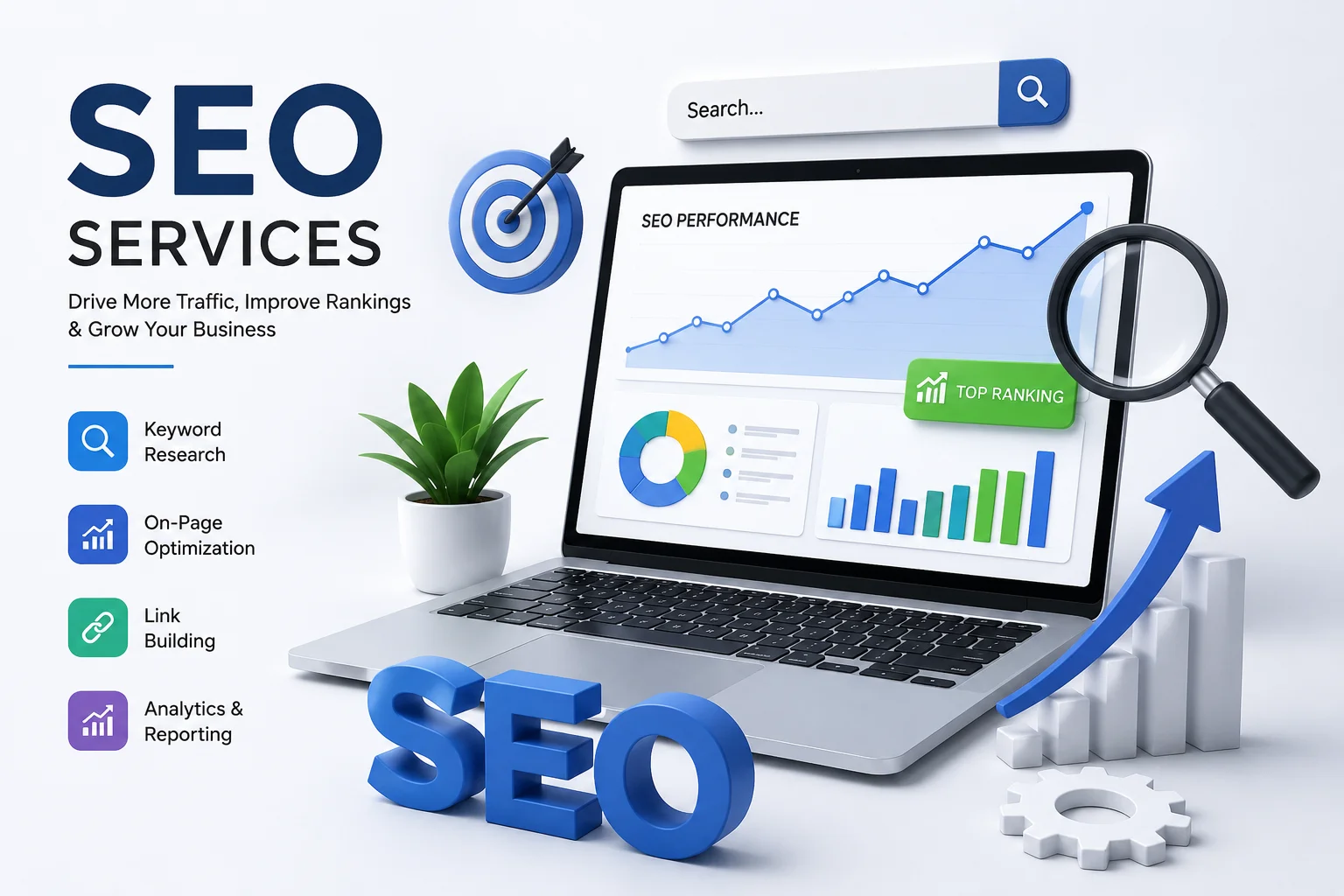
Search engine optimization helps improve a website’s visibility in organic search results.
SEO involves optimizing website content, improving technical performance, understanding search intent, and developing a useful website structure.
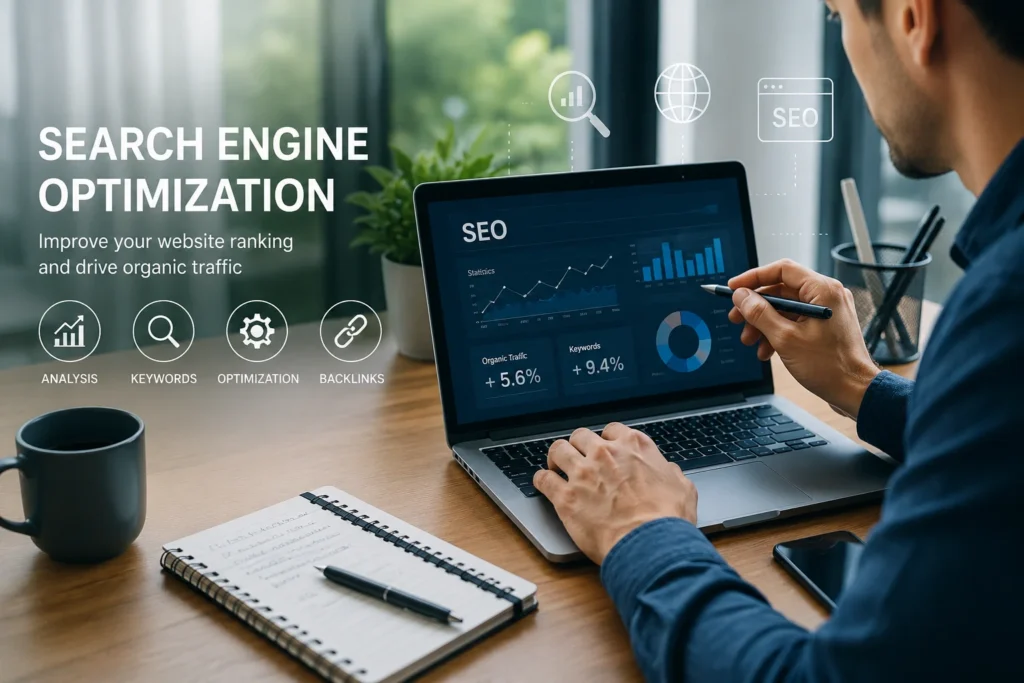
Important SEO activities include:
- Keyword research
- On-page optimization
- Technical SEO
- Internal linking
- Content development
- Website performance improvements
- Local SEO
For example, a digital marketing agency may optimize a service page for terms related to SEO, social media marketing, or website development.
SEO can help attract relevant organic traffic over time. However, rankings and results depend on competition, website quality, and other factors.
2. Social Media Marketing
Social media marketing helps businesses connect with their audience through platforms such as Instagram, Facebook, LinkedIn, and other relevant networks.
It includes creating content, managing social media profiles, engaging with followers, and measuring campaign performance.
Effective social media marketing may help businesses:
- Increase brand awareness
- Build audience relationships
- Share valuable information
- Promote products and services
- Generate website traffic
- Support lead generation
The best social media platform depends on the business’s audience, industry, and marketing objectives.
3. Pay-Per-Click Advertising
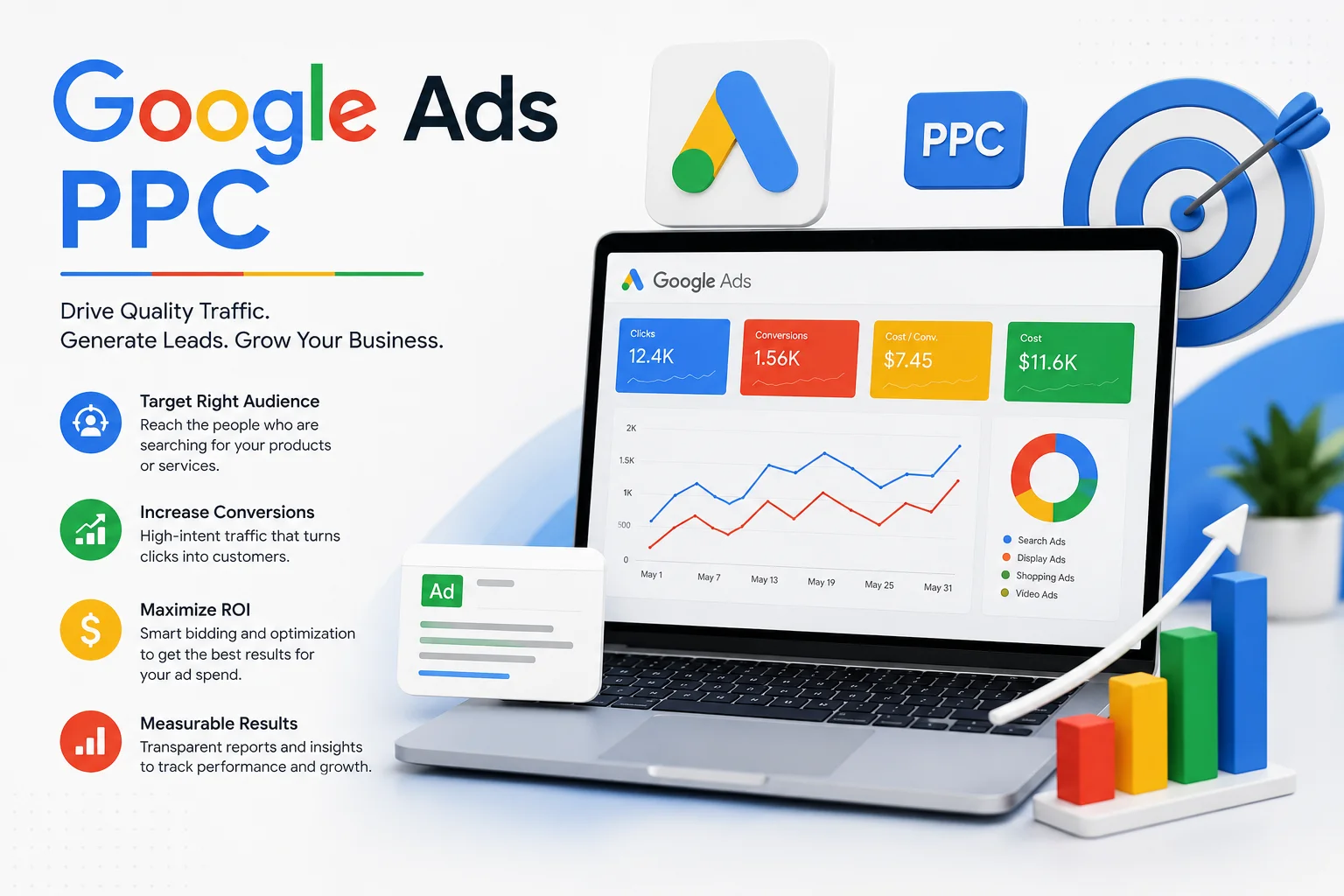
Pay-per-click, or PPC, advertising allows businesses to display paid advertisements on platforms such as Google Ads and other advertising networks.
Advertisers generally pay when users interact with their ads, depending on the campaign type and billing model.
PPC campaigns can target specific keywords, audiences, locations, or interests.
Common PPC activities include:
- Keyword research
- Campaign creation
- Ad copywriting
- Audience targeting
- Budget management
- Conversion tracking
- Campaign optimization
PPC can generate traffic quickly after campaigns are launched, but results depend on factors such as budget, competition, landing page quality, and offer relevance.
4. Content Marketing
Content marketing involves creating and distributing useful information to attract and engage a specific audience.
Content can include:
- Blog posts
- Website guides
- Case studies
- Infographics
- Videos
- Social media posts
- Frequently asked questions
For example, a digital marketing agency can publish an article explaining how SEO helps small businesses improve online visibility.
High-quality content should answer genuine customer questions, demonstrate expertise, and provide useful information.
Content marketing also supports SEO by creating opportunities to target relevant search queries.
5. Website Development and Optimization
A website is often an important part of a business’s digital marketing strategy.
Even effective advertising and SEO campaigns may struggle to generate results if a website is difficult to use or does not clearly explain its services.
Website development and optimization may include:
- Responsive website design
- Mobile usability improvements
- Clear navigation
- Service page development
- Contact form optimization
- Page speed improvements
- Conversion-focused layouts
A well-structured website helps visitors understand what a business offers and how to contact the company.
How Do You Choose the Right Digital Marketing Services for Your Business?
Choosing the right services starts with understanding your business goals.
Are you trying to increase organic traffic, generate more leads, improve brand awareness, or increase online sales?
Your objectives should guide your marketing decisions.
Step 1: Identify Your Business Goals
Start by defining what you want to achieve.
Your goals could include:
- Increasing website traffic
- Generating qualified leads
- Improving search rankings
- Increasing online sales
- Building brand awareness
- Improving customer engagement
Clear goals make it easier to measure progress.
Step 2: Understand Your Target Audience
Identify who your ideal customers are and what they need.
Consider the following questions:
- Who is most likely to purchase your product or service?
- What problems are they trying to solve?
- Which platforms do they use?
- What search terms might they enter into Google?
- What information do they need before making a decision?
Understanding your audience helps you create more relevant campaigns and content.
Step 3: Evaluate Your Existing Online Presence
Review your website, social media accounts, and current marketing campaigns.
Look for potential improvements in areas such as:
- Website usability
- Search engine visibility
- Content quality
- Social media engagement
- Conversion tracking
- Advertising performance
An initial audit can help identify which areas deserve attention.
Step 4: Set a Realistic Marketing Budget
Your budget should reflect your goals, industry, and available resources.
SEO, content marketing, and social media marketing often require consistent effort over time. Paid advertising also requires a suitable budget for testing and optimization.
A marketing plan should account for both campaign costs and the resources needed to manage the work.
Step 5: Measure and Improve Performance
Track relevant performance indicators to understand whether your marketing activities are supporting business objectives.
Depending on your strategy, useful metrics may include:
- Organic search traffic
- Qualified leads
- Conversion rate
- Cost per lead
- Return on advertising spend
- Website engagement
- Customer acquisition cost
Regular analysis helps businesses identify opportunities for improvement.
How Long Does It Take to See Results From Digital Marketing Services?
The timeline depends on the services being used, your industry, competition, budget, and the current state of your online presence.
SEO may require several months to produce meaningful improvements, particularly in competitive industries.
Paid advertising can begin generating website visits shortly after a campaign launches, although profitable and consistent results may require testing and optimization.
Social media and content marketing also depend on consistent execution and audience response.
There is no universal timeline for digital marketing success. Businesses should focus on measurable progress and sustainable improvements rather than expecting immediate results from every campaign.
How Can GenzyLinkPro Help With Digital Marketing?
GenzyLinkPro offers digital marketing-related solutions designed to help businesses strengthen their online presence.
Businesses can explore relevant services such as:
- Search engine optimization
- Social media marketing
- Website development
- Google Ads and PPC
- Content writing
- Guest posting
The right combination of services depends on your business goals and current marketing requirements.
If you are planning to improve your online visibility, generate more leads, or develop a stronger digital presence, you can review the GenzyLinkPro digital marketing services page to learn more about the available solutions.
Before choosing a service, consider your objectives, expected deliverables, reporting process, and available budget.
Conclusion
Digital marketing services can help businesses improve online visibility, reach relevant audiences, and create opportunities for customer engagement and lead generation.
From SEO and content marketing to social media management, PPC advertising, and website optimization, each service can support a different part of your marketing strategy.
The key is to choose services that match your business objectives, understand your audience, and measure performance consistently.
If you’re looking to strengthen your online presence, visit GenzyLinkPro’s digital marketing services page to explore the available solutions and identify the strategies that may fit your business needs.
FAQS
Digital marketing services are professional solutions that help businesses promote their products, services, and brands through online channels. These services may include SEO, social media marketing, PPC advertising, content marketing, and website optimization.
Digital marketing can help small businesses improve online visibility, reach relevant audiences, and generate business inquiries. SEO, social media, and targeted advertising can support growth when they are aligned with the company’s goals and budget.
Yes. SEO, content marketing, social media marketing, and paid advertising can all help attract website visitors. The type and quality of traffic depend on the strategy, targeting, and relevance of the content or advertisements.
SEO results vary according to competition, website condition, content quality, and the effectiveness of optimization efforts. Some improvements may appear relatively quickly, while meaningful growth in organic traffic may take several months.
Yes. These services can work together as part of an integrated marketing strategy. SEO can support long-term organic visibility, PPC can target relevant paid traffic, and social media marketing can help build audience relationships.